
Anti-Trump Resistance Gains Momentum as Courts and Republicans Push Back
President Donald Trump is encountering increasing resistance from state officials, federal courts, and members of Congress as institutional checks on executive authority become more visible.
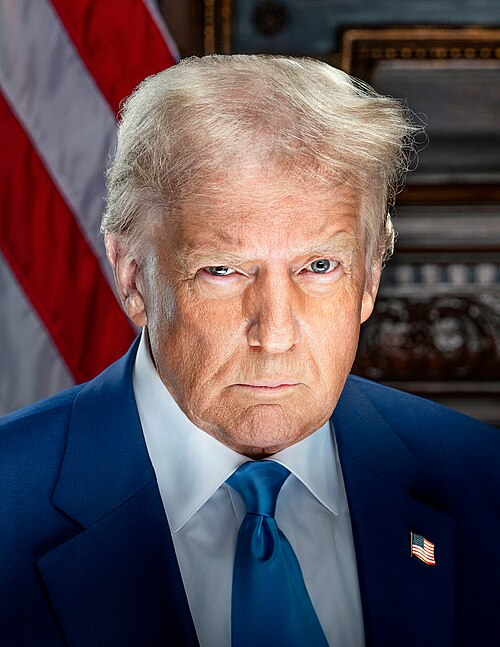
Trump Faces Growing Pushback From Courts, Congress and States
President Donald Trump has long advanced expansive views of executive authority. Recent developments, however, suggest that resistance to elements of his agenda — from state leaders, federal judges, and even lawmakers within his own party — is becoming more pronounced.
Although Trump continues to pursue assertive policy objectives, a series of incremental setbacks points to a more complex governing landscape.
State-level resistance emerges
In Minnesota, federal immigration enforcement operations were recently reduced following weeks of protests and public criticism. Officials emphasized that broader deportation initiatives under immigration enforcement policy remain in place. Still, the redeployment of thousands of federal officers marked a notable shift.
The move followed sustained demonstrations connected to ICE protests and mounting political pressure. Minnesota’s governor characterized the development as evidence that organized public opposition can influence federal decisions.
The courts as a constitutional check
The judiciary has also played a central role in defining the limits of executive authority. In Washington, a federal judge recently blocked an effort by the administration to pursue serious charges against Arizona Sen. Mark Kelly.
Legal disputes involving the Justice Department and other federal agencies have drawn heightened attention from U.S. courts, reinforcing the continuing function of institutional checks and balances.
Republican divisions in Congress
Resistance has also surfaced within Congress. In the House of Representatives, six Republicans joined Democrats in voting to repeal tariffs on Canada, reflecting concerns about the economic consequences for the U.S. economy.
In a separate procedural vote, three Republican lawmakers sided with Democrats to prevent leadership from blocking future votes on tariff policy.
Those votes underscore the challenges of maintaining party cohesion in a closely divided chamber. On certain issues, Trump cannot automatically count on unanimous support within his party.
A shifting political environment
More broadly, the political climate has grown less predictable. A bipartisan effort last year compelled the Justice Department to release additional records tied to Jeffrey Epstein, prolonging a controversy that has generated sustained political attention.
Individually, none of these developments represents a sweeping reversal of Trump’s policy agenda. Taken together, however, they highlight how institutional resistance, public demonstrations, and internal party divisions are increasingly shaping the boundaries of presidential authority.
For now, opposition to Trump’s policies remains incremental rather than unified. Yet its persistence reflects an evolving debate within U.S. politics over executive power and accountability.